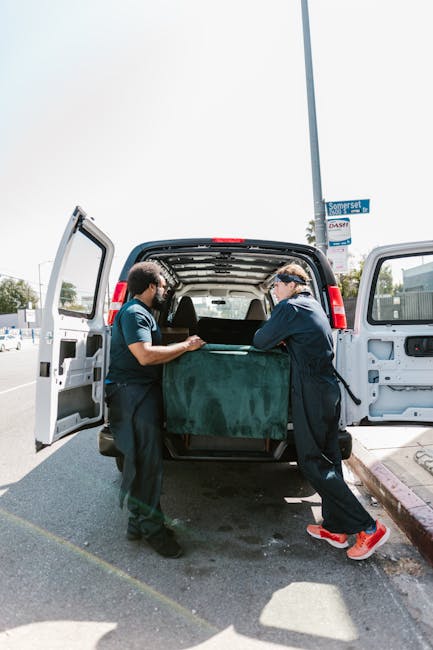
Thornbury estate removals van sizing and pricing in TW7

If you are planning a move on Thornbury estate and trying to work out van size, pricing, and whether a single trip will actually do the job, you are in the right place. Thornbury estate removals in TW7 can look straightforward on paper, but the reality is usually a bit more human than that: narrow parking, awkward lifts, stairs that feel steeper than they look, and boxes that somehow multiply overnight. This guide breaks down Thornbury estate removals van sizing and pricing in TW7 in plain English, so you can choose the right vehicle, avoid paying for wasted space, and keep your move calm enough to breathe through.
We will look at what affects the cost, how different van sizes compare, what to check before booking, and where people most often get caught out. You will also find a practical checklist, a comparison table, and a realistic example so you can make a better decision without guesswork. If you want to explore broader moving support along the way, pages like removals, man and van, and pricing and quotes may help you compare your options.
Truth be told, the cheapest quote is not always the best value. The right size van, a sensible loading plan, and transparent pricing usually matter more than a bargain headline. Let's get into the detail.
Why Thornbury estate removals van sizing and pricing in TW7 Matters
Van sizing affects everything: cost, timing, handling, and the number of journeys you need to make. On an estate move, the wrong size can turn a tidy one-trip plan into a long afternoon of back-and-forth. That extra mileage, extra loading time, and extra labour can quietly push the price up. And if you choose a van that is too large, you may end up paying for capacity you never use.
Thornbury estate in TW7 has the kind of practical constraints that make sizing especially important. Access may be tight, parking can be awkward, and lifts or stairwells can change the way items need to be loaded. A sofa that looks manageable in the lounge may suddenly become a wrestling match at the landing. We have all seen that moment where a person stands in the hallway with a tape measure and says, "hang on, that was supposed to fit."
Pricing matters for a different reason too. Removals are not just about the vehicle; they are about the time needed to load safely, the number of movers required, waiting time, and sometimes additional services such as packing or storage. A clear quote helps you compare like with like. A vague quote, honestly, is where moving day stress often starts.
Expert summary: For Thornbury estate removals in TW7, the best value usually comes from matching van size to load volume, access conditions, and journey length rather than simply choosing the lowest advertised hourly rate.
How Thornbury estate removals van sizing and pricing in TW7 Works
The process usually starts with an assessment of what you need to move. A good removal provider will look at the volume of furniture and boxes, the number of rooms, the presence of bulky items, and the access at both properties. From there, the job is matched to an appropriate van type.
In practice, pricing is often shaped by a mix of time and vehicle use. Some jobs are charged hourly, some are priced as fixed quotes, and some are a blend of both. The final figure can be affected by factors like:
- how much needs to be loaded
- how easy it is to park near the property
- whether there are stairs, lifts, or long walking distances
- how many movers are needed
- how far the van has to travel
- whether packing materials are required
- if there are fragile or specialist items such as a piano
In a simple estate move, a smaller van may be enough for a studio or one-bedroom flat. A larger removal vehicle becomes more sensible when you are dealing with a family home, heavy furniture, or a move that needs to be completed in a single trip. If you want a better feel for the broader vehicle options available, the pages for removal van, removal truck hire, and moving truck are useful starting points.
It is also worth remembering that pricing can change if the move needs to happen at a busy time, such as a Friday afternoon or month-end. People often forget that moving services are really about capacity management. The timing, the crew, and the route all play a part. Not glamorous, but very real.
What van size usually means in practical terms
Removal companies may describe van sizes differently, so the label matters less than the usable load space. As a rough guide, a smaller van suits a few boxes and light furniture, a medium van suits a typical flat move, and a large van suits fuller households or larger loads. Always ask what the quoted size actually means in terms of volume, payload, and whether the van is suitable for your staircase, driveway, or parking arrangement.
Key Benefits and Practical Advantages
Getting van sizing and pricing right does more than save money. It improves the whole moving day experience.
- Less risk of multiple journeys: one well-planned load is usually far simpler than a series of rushed return trips.
- Better protection for your belongings: a van that is packed sensibly tends to reduce movement and accidental damage.
- Cleaner budgeting: fixed or well-scoped pricing gives you more certainty before the move.
- Less physical strain: the right crew and vehicle reduce the amount of unnecessary lifting.
- More realistic timing: the move is easier to schedule around work, school runs, or handover deadlines.
There is also a mental benefit people do not always mention. When the vehicle looks right for the job, the whole move feels more under control. You stop second-guessing every box. You stop wondering if the wardrobe will need dismantling at the last minute. That small sense of order matters more than people admit.
If you are still comparing moving styles, a broader look at removal services and house removals can help you see whether a full-service approach is better than a lighter man-and-van job. For some households, that difference is tiny. For others, it is the difference between a manageable morning and a very long day.
Who This Is For and When It Makes Sense
This kind of move is often a strong fit for people who need a practical, flexible service rather than a large-scale removal operation. Think of:
- flat or maisonette moves on or near Thornbury estate
- small to medium home moves in TW7
- students or renters with furniture, boxes, and a few larger items
- families moving within Isleworth or to another part of West London
- people who need same-day or short-notice help
- customers moving a mix of household goods and fragile items
It also makes sense if you are moving from a property with decent access but limited volume. For example, a two-bedroom flat with standard furniture may not need a full-size truck, but it might be too much for a tiny van. Somewhere in the middle is often the sweet spot.
For commercial or mixed-use moves, other service pages can be more relevant. If you are relocating a workspace, look at office removals or commercial moves. If your move is more local and light-touch, man with a van or man with van may be the better fit. The trick is to be honest about the load. Overestimating is expensive, underestimating is worse.
Step-by-Step Guidance
- Make a room-by-room list. Count furniture, boxes, appliances, and awkward items such as mirrors or bikes. A quick walk-through with your phone notes works fine.
- Measure bulky pieces. Sofas, beds, wardrobes, and washing machines matter most. A tape measure takes two minutes and saves a lot of grief later.
- Check access at both addresses. Note stairs, lifts, parking restrictions, shared entrances, and whether the van can park close enough to avoid long carries.
- Decide what needs dismantling. Some beds and wardrobes are easy to take apart; others are not worth the hassle. Be realistic.
- Ask for a quote based on the actual load. Good pricing depends on the volume, access, and time required. If you want a starting point, use pricing and quotes to understand how the service is structured.
- Confirm what is included. Check whether loading, unloading, waiting time, fuel, and helper numbers are part of the price.
- Plan for packing. If you are not fully boxed up, ask about packing and boxes or packing and unpacking services.
- Recheck the day before. A last-minute fridge, extra suitcase, or garden item can alter van size needs more than you think.
If your move includes furniture you no longer want, the service may be able to pair well with furniture removals or furniture pick up. That can save you from trying to shift and dispose of everything yourself on the same day. Which, frankly, is rarely anyone's favourite plan.
Expert Tips for Better Results
Be precise about load volume. One of the easiest ways to improve pricing accuracy is to describe the move clearly. "A one-bedroom flat" can mean very different things depending on whether you own a king-size bed, a three-seater sofa, or a few decent-sized bookshelves.
Keep the heaviest items easy to reach. Boxes of books, kitchen appliances, and awkwardly shaped furniture should not be hidden behind everything else. A van can only be loaded efficiently if the most awkward items are ready first.
Think in terms of cubic space, not just item count. Ten large boxes may take up more room than twenty small ones. It sounds obvious, but people get caught by it all the time.
Ask how the crew handles stair carries. Estate moves often involve shared access. If the route includes narrow turns or several floors, tell the provider early so the right van and manpower can be planned.
Consider off-peak timing. If you have flexibility, moving midweek or earlier in the day can sometimes make the process smoother. Less traffic, less pressure, fewer sighs at the kerb.
Build a little buffer into the schedule. Things do run late sometimes. A missing key, a lift delay, or traffic on the route can all add minutes. It is just part of moving life.
If you are concerned about safety or handling standards, it is sensible to review insurance and safety and the company's health and safety policy. That is especially helpful if you are moving valuable furniture or specialist items.
Common Mistakes to Avoid
Most moving problems are not dramatic. They are small, avoidable, and slightly annoying. A classic one is choosing a van because it sounds cheap, not because it fits the job. Another is forgetting about access. A 3.5-tonne vehicle can still be the wrong choice if there is nowhere sensible to park it.
- Guessing the load size. This often leads to underquoting and a rushed move.
- Not mentioning stairs or long carries. These details affect time and staffing.
- Forgetting fragile items. Mirrors, artwork, and glass tables need extra care.
- Leaving packing too late. Half-packed homes always take longer.
- Assuming all quotes are identical. They rarely are. Check what is actually included.
- Ignoring cancellation or rescheduling terms. It is not exciting reading, but it matters.
There is one more mistake that crops up a lot: people focus only on price per hour and ignore overall efficiency. A slightly larger van may cost more upfront but save a second trip, reduce labour time, and lower stress. That can be better value in the end. Strange how that works.
Tools, Resources and Recommendations
You do not need specialist equipment to prepare well, but a few simple tools help a great deal:
- a tape measure for furniture and access widths
- a phone camera for doorways, staircases, and parking spots
- a written inventory or notes app list
- labels or marker pens for boxes
- basic wrapping materials for fragile items
If you are packing yourself, packing and boxes can be a useful support page. For items that are no longer needed, it may be more practical to arrange a separate collection or removals service than to cram them into the moving day plan. If you need short-term holding space between properties, storage can also help bridge the gap.
For readers who want to compare a few different move types, the most helpful approach is to think about two questions: how much do I need moved, and how much help do I actually need? Once those are clear, the rest becomes much easier. Not easy. Just easier.
Law, Compliance, Standards, or Best Practice
For moving jobs in the UK, the main practical issues are safety, insurance, fair trading, and good handling practice. You do not usually need to worry about complicated legal detail as a customer, but you should expect the provider to operate responsibly. That means clear pricing, suitable vehicle loading, safe lifting, and appropriate insurance cover for the work being done.
If a move involves heavy, awkward, or valuable items, best practice is to confirm how they will be protected in transit. It is also sensible to ask what happens if access changes on the day, or if the load turns out to be larger than described. Good providers explain this clearly rather than hiding behind fine print.
For peace of mind, check the company's public policy pages, including terms and conditions, payment and security, and privacy policy. Those pages should help you understand how the booking, payment, and data handling process works. If there is anything unclear, ask before the move, not while the van is waiting outside and someone is checking the clock.
Best practice is simple: be accurate, be upfront, and keep the move documented. A decent provider will welcome that.
Options, Methods, or Comparison Table
Choosing the right vehicle is easier if you compare the main options side by side. The exact dimensions vary, but the practical difference is usually clear enough.
| Van type | Best for | Typical strengths | Pricing impact |
|---|---|---|---|
| Small van | Light loads, a few boxes, single bulky item | Easy access, lower cost, simple parking | Usually the cheapest option, but limited capacity |
| Medium van | Studio or one-bedroom moves, mixed boxes and furniture | Good balance of space and manoeuvrability | Often the best value for modest household moves |
| Large van | Fuller flats, larger furniture, multiple rooms | Fewer trips, better for bulky items | Higher rate, but may reduce overall job time |
| Removal truck | Larger home moves or more complex loads | Most capacity, more suitable for extensive moves | Best when volume justifies it; otherwise can be overkill |
For many Thornbury estate moves, the decision comes down to medium van versus large van. A medium van can be ideal if access is easy and the furniture is modest. A large van becomes more sensible if you have beds, wardrobes, and several appliances. The right answer is not about vanity, despite what the sizing discussion may suggest. It is about load shape, not ego.
If you are still unsure, a useful approach is to compare your move against a flat-removals style job. The page on flat removals can help you think through the scale of the move, while student removals may be useful if your load is lighter and more box-led. For bigger household projects, home moves and house removalists may be more appropriate.
Case Study or Real-World Example
Imagine a typical TW7 estate move from a two-bedroom flat. The home includes a double bed frame, mattress, small sofa, dining table, washing machine, TV unit, four chairs, and around twenty boxes. Access is via a shared stairwell with a reasonable parking spot nearby, but not directly outside the door.
In that kind of move, a small van would probably mean at least two trips. That is not ideal. A medium van might work if everything is well packed and there are only a few bulky pieces. In many real situations, a large van is the calmer option because it allows the team to load safely and complete the move without squeezing everything in like a jigsaw puzzle from nowhere.
Now imagine the same property with a long walk from parking to entrance, plus a piano or large sideboard. Suddenly the plan changes. A more capable vehicle and a bit more labour may be justified. The price will rise, yes, but the job becomes feasible and safer. That is the bit people often miss when comparing quotes. The cheapest plan is not always the workable one.
A family we might describe as "very nearly sorted" once asked for a quick van size estimate the evening before move day. They had forgotten the garden furniture, the spare cot, and three boxes that had been sitting in the hallway for a week. Happens all the time. After rechecking, the move was adjusted to a larger van and finished neatly in one go. A small change, but it saved a lot of midnight regret.
Practical Checklist
- List every room and major item before requesting a quote
- Measure large furniture and note anything that dismantles
- Check parking, stairs, and lift access at both addresses
- Decide whether you need packing help or will do it yourself
- Ask what the price includes: time, labour, fuel, waiting, and loading
- Confirm whether the move is better suited to a van or a truck
- Separate items to keep, donate, recycle, or store
- Read the booking terms before paying a deposit
- Keep essentials with you: documents, keys, chargers, medication
- Leave a little extra time for the unexpected, because it will happen eventually
For support on handling and protection, the pages on recycling and sustainability and insurance and safety can help you think through what to do with unwanted items and how to protect what matters.
Get a free quote today and see how much you can save.
Conclusion
Thornbury estate removals van sizing and pricing in TW7 comes down to a simple idea: the right van, the right level of help, and the right pricing structure make the move smoother and often cheaper overall. If you match the vehicle to your load instead of guessing, you reduce the chance of extra trips, damage, and that last-minute feeling of "we should have planned this better."
Take the time to measure, list, and ask clear questions. It is a small effort up front, but it pays off on moving day when the van arrives, the boxes are ready, and things start to feel manageable again. And that, in the end, is what most people really want - not perfection, just a move that feels under control.
Frequently Asked Questions
How do I know what van size I need for a Thornbury estate move in TW7?
The best way is to count rooms, measure large furniture, and consider access. A small move may suit a smaller van, but a typical flat often needs a medium or large van depending on furniture and boxes.
What affects the price of removals on Thornbury estate?
Price is usually affected by load size, van type, labour time, access, distance, and any extras such as packing or storage. Stairs, lifts, and parking issues can also increase the time needed.
Is a bigger van always better value?
Not always. A larger van can reduce trips and save time, but if the load is small you may pay for unused space. The best value is usually the smallest van that still fits the job comfortably.
Can I get a same-day move in TW7?
Sometimes, yes. It depends on availability and how straightforward the move is. If the load is light and access is good, same-day removals may be possible through a service such as same day removals.
Do I need packing help or can I do it myself?
If you have time and your items are not too fragile, you can often pack yourself. If you are short on time or moving breakables, professional packing support can reduce stress and damage risk.
How far in advance should I book a van?
As early as possible if your date is fixed, especially at month-end or on weekends. For smaller local moves, short notice can still work, but it is always better to plan ahead.
What should I tell the removals team before quoting?
Share the number of rooms, major furniture items, access details, parking restrictions, and any special items such as pianos, mirrors, or appliances. The more accurate the information, the better the quote.
Are there hidden costs I should look out for?
Check whether the quote includes loading, unloading, waiting time, fuel, and the number of movers. Also ask about stair carries, long walks from the van, and cancellations. Clear pricing avoids surprises.
What if I have items I do not want to move?
You can separate them for disposal, recycling, donation, or collection. In some cases, arranging furniture removals or a furniture pick up is the simplest option.
Is this type of service suitable for flats?
Yes, very often. Flat moves are one of the most common reasons people book a van-sized removals service, especially when the load is too large for a car but not big enough for a full house move.
What should I check in the company's policies?
Look at terms, payment, privacy, and safety information so you know how the booking works and what standards are in place. Useful pages include terms and conditions, payment and security, and insurance and safety.
Can the service handle larger household moves too?
Yes, if the van and crew are scaled correctly. For bigger jobs, it may make more sense to look at house removals or a larger vehicle option such as a moving truck.
What is the simplest way to avoid overpaying?
Give accurate details, compare like for like, and ask what is included. The right quote is not just the lowest one; it is the one that actually fits your move without adding drama on the day.