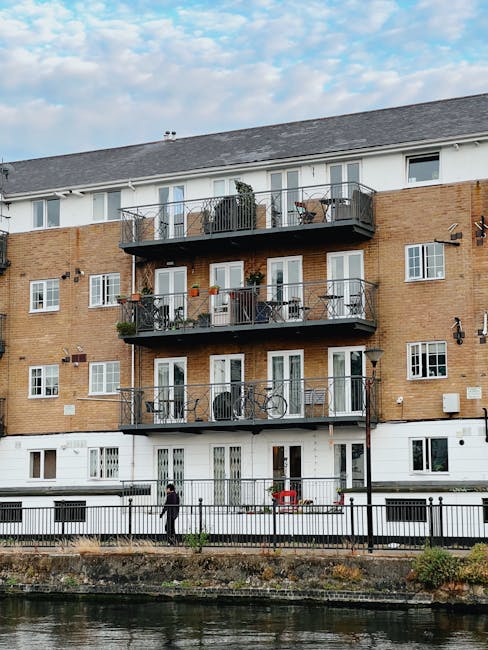
Isleworth flat move access problems and removal solutions
Moving out of a flat sounds simple enough until you meet the real-world stuff: narrow staircases, awkward parking, no lift, a heavy sofa that will not turn, and a time slot that suddenly feels far too short. That is exactly where Isleworth flat move access problems and removal solutions become more than a search phrase. They are the difference between a move that feels controlled and one that turns into a sweaty, expensive scramble by 11:00 a.m.
Isleworth has plenty of homes where access needs a bit of thinking ahead. Some blocks are tight on manoeuvring space. Some have shared entrances, limited loading bays, or stairwells that are just a touch too snug for standard furniture. In this guide, we will walk through the common access issues, what actually works, and how to plan a smoother flat move without losing your temper halfway through a hallway. No fluff. Just proper, practical advice.
Table of Contents
- Why access problems matter in Isleworth flat moves
- How flat access planning and removal solutions work
- Key benefits and practical advantages
- Who this is for and when it makes sense
- Step-by-step guidance for a smoother move
- Expert tips for better results
- Common mistakes to avoid
- Tools, resources and recommendations
- Law, compliance, standards and best practice
- Options, methods and comparison table
- Case study or real-world example
- Practical checklist
- Conclusion
- Frequently asked questions
Why Isleworth flat move access problems and removal solutions Matters
Access issues are not a minor detail. They shape the whole moving day. If a van cannot stop close enough, if the lift is too small, or if your bed frame needs a full disassembly before it can leave the flat, the job becomes slower and riskier. That can affect labour time, vehicle choice, packing method, and even whether some items should go into storage for a while.
In flat removals, access problems usually show up in one of three ways: physical space, timing, or permissions. Physical space is the obvious one: tight corridors, stairs, low ceilings, and sharp corners. Timing is the hidden one: building rules, lift bookings, traffic around Isleworth roads, and neighbours who would rather not hear a trolley clattering at 7 a.m. Permissions are the quiet headache: parking restrictions, loading limits, and building management rules. Ignore any of those, and the move can get messy very quickly.
Truth be told, a lot of removal stress comes from underestimating one awkward item. A wardrobe. A mattress. A fridge freezer. You think, that will be fine. Then it gets to the stairwell and suddenly it is a geometry problem with scratch marks. That is why a good removal plan starts with access, not boxes.
Expert summary: The best Isleworth flat moves are rarely the fastest-looking ones. They are the ones where the route, vehicle size, packing method, and building rules are matched before anything is lifted.
How Isleworth flat move access problems and removal solutions Works
Good access planning is basically a chain of small decisions that prevent larger problems later. It starts with a proper view of the building and ends with the right removal method on the day. If you want the move to feel calm rather than improvised, each step needs to line up.
1. Assess the access route
The access route is everything between the front door of your flat and the vehicle. That includes internal stairs, communal hallways, fire doors, lifts, outside steps, and the street outside. Is there a sharp bend? A narrow landing? A low ceiling? A locked gate? These are not small things. They decide whether an item can be carried in one piece or needs dismantling first.
2. Match the move to the building
Not every move needs the same kind of support. A top-floor flat with no lift may be suitable for a two-person team and a smaller man with van setup, while a bigger household move may need a larger vehicle and additional manpower. For bulkier loads, some customers find it helpful to compare removal van options with a larger moving truck depending on the layout and volume of items.
3. Plan for furniture handling
Large furniture often causes the real access issue. A sofa may fit through a doorway but not around a landing. A wardrobe may clear the hallway but not the stair rail. That is where disassembly, protective wrapping, and careful lifting methods matter. If you need help with awkward items, services such as furniture removals and furniture pick-up can be useful, especially when there are bulky pieces that need extra handling.
4. Protect the building and your belongings
Flat moves often happen in shared spaces, so protection matters. Floor runners, blankets, corner protection, and decent wrapping reduce the chances of damage. It sounds simple, but on a wet morning with slippy paving and a stairwell full of echo, those little protections make a huge difference. A good mover will also think about nearby walls, bannisters, and door frames, not just the item in hand.
5. Build in a fallback plan
Sometimes access turns out to be worse than expected. Maybe a lift fails. Maybe the loading bay is occupied. Maybe a sofa is larger than the measurements suggested. A sensible plan includes alternatives such as re-routing, partial dismantling, or temporary storage. That way, the move does not collapse just because one part of the building is being awkward, which, let's face it, happens.
Key Benefits and Practical Advantages
When access problems are handled well, the benefits show up immediately. The day feels less rushed. Items are moved more safely. Fewer things need to be lifted twice. And you are far less likely to end the afternoon wondering why a simple flat move took three times longer than planned.
- Less damage risk: careful route planning and wrapping reduce knocks, scrapes, and crushed corners.
- Better time control: access-aware scheduling cuts down on waiting, backtracking, and last-minute stress.
- Smarter vehicle choice: the right van or truck avoids wasted trips and unnecessary over-ordering.
- Safer lifting: fewer awkward carries mean fewer strains for everyone involved.
- Cleaner handover: protecting communal areas helps keep landlords, neighbours, and building managers happier.
There is also a subtle benefit people miss: good access planning tends to improve communication. Once you have measured the doorway, checked the lift, and thought through parking, everyone involved has a clearer picture. And that makes it easier to coordinate packing, arrival times, and keys without playing phone tag all morning.
If you are comparing providers, it is worth looking at the wider service picture too. Pages like removal services, removals, and removal companies can help you understand how a mover positions itself, what type of job it is set up for, and whether the team looks prepared for more than a straightforward lift-and-load.
Who This Is For and When It Makes Sense
This topic matters most if you are in a flat where access is anything but straightforward. That includes first-floor flats with tight stairs, maisonettes with shared hallways, converted Victorian houses with narrow turns, or modern blocks with limited loading space. If your move includes bulky furniture, fragile items, or a short building time slot, you will benefit from planning around access from the start.
It also makes sense for students moving between lettings, young professionals on a deadline, families downsizing from a larger flat, and landlords helping tenants move out cleanly. If you are managing a last-minute exit, a same-day turnaround, or a property chain that is already making your head spin, a move with poor access needs even more care. In those cases, options like same-day removals or student removals may be worth considering depending on how much needs shifting and how quickly.
It is also relevant if you are clearing a flat after a tenancy ends and need to move items out in one go. If old furniture, broken bits, or leftover items are involved, you might also need furniture removals alongside your main move. That can stop the job becoming a two-day puzzle.
Step-by-Step Guidance
If you want the move to go smoothly, treat access like a mini project. Nothing fancy. Just structured. Here is a practical way to do it.
- Measure the awkward points. Check door widths, hallway turns, stair landings, lift dimensions, and any outside steps or gates.
- List the largest items. Sofas, wardrobes, tables, mattresses, white goods, and anything with an odd shape should be flagged early.
- Check building rules. Ask about lift bookings, time windows, parking restrictions, and protection requirements for communal areas.
- Decide what needs dismantling. A bed frame, dining table, or wardrobe may move much more easily in parts.
- Choose the right moving setup. A smaller vehicle may suit a tight flat move, while a larger load may need a bigger van or truck.
- Pack for access, not just storage. Keep screws, Allen keys, and labels with the furniture they belong to. That tiny bag of fittings matters more than people think.
- Reserve the best parking position available. Short walking distances save time and reduce the chance of damage on stairs or in shared corridors.
- Have a backup for problem items. If something will not fit, decide in advance whether it will be dismantled, stored, or moved separately.
A little scene from a typical flat move: the client has measured everything except the bend at the top of the stairs. The sofa reaches the landing and then stops dead. One person lifts, one person pivots, somebody says, "It looked smaller in the lounge," and now everyone is standing still. That is exactly the kind of moment a better plan avoids.
Expert Tips for Better Results
Experienced movers tend to look for the hidden friction points. Not the obvious ones. The hidden ones. They notice if a stair rail reduces the carry width by a few inches, or if the parking space means the team will need to cross a busy footpath with a heavy item. Those small details are usually where the time goes.
- Photograph problem areas. A quick photo of the stairwell, lift, and entrance can help the mover judge the job more accurately.
- Pack by exit order. Items leaving first should not be buried under everything else.
- Keep walkways clear. A single box left in the wrong place can slow the whole chain.
- Use proper wrapping for corners and glass. Even a short carry can do damage if the item is exposed.
- Label fragile or awkward loads clearly. It saves time and keeps everyone calm.
- Allow breathing space in the schedule. A flat move with access issues should rarely be booked as if it were an open driveway job.
And one small but important thing: tell the mover the annoying details. The damaged lift button. The key code that changes at 4 p.m. The gate that sticks. Those are the details that feel trivial until they are not. Then they are everything.
Common Mistakes to Avoid
The biggest mistake is assuming the route will "sort itself out" on the day. It usually does not. Access problems have a way of becoming more expensive after the van has already arrived and the clock is ticking.
- Under-measuring furniture: guessing is risky, especially for wardrobes and sofas.
- Ignoring parking restrictions: if the vehicle cannot stop nearby, the move becomes slower and more tiring.
- Forgetting building bookings: some flats require lift reservations or timed access.
- Leaving disassembly too late: stripping furniture down on the landing wastes time and creates clutter.
- Packing weak boxes: damaged boxes are harder to stack, carry, and trust.
- Not planning for wet weather: Isleworth rain, even the light kind, can make shared entrances and pavements more awkward than expected.
To be fair, most of these mistakes happen because people are busy, not careless. Moving is noisy, distracting, and full of tiny decisions. But if one of those decisions is "we'll deal with access later," then later tends to bite back.
Tools, Resources and Recommendations
You do not need a van full of specialist kit to handle access problems well, but a few practical tools make life easier. A tape measure is the obvious one. So is a phone camera. A furniture blanket, stretch wrap, sturdy gloves, and a basic toolkit can save a lot of faff. If a bed or wardrobe needs dismantling, keep the fixings in labelled bags so nothing goes walkabout.
For planning the job, clear written notes are underrated. Jot down measurements, access times, parking instructions, and any building contact details you already have. A simple checklist on paper often beats trying to remember everything while carrying a lamp down stairs. Strange, but true.
If you need broader support, it can help to review services such as packing and boxes and packing and unpacking services. Good packing makes access easier because boxes stack better, carry more safely, and reduce the number of loose bits floating around the flat.
For larger or more complex moves, especially if you are clearing more than a single flat, it may also be sensible to think about house removals or a more tailored home moves service. Even though those pages cover broader move types, they are useful if your flat move is part of a bigger relocation or furniture transfer.
Law, Compliance, Standards and Best Practice
For flat moves in the UK, the legal side is usually less about a single "moving law" and more about common duties around safety, property rules, and responsible access. You should always follow building management instructions, parking rules, and any local restrictions that apply to loading or waiting. If a block requires lift booking or protective covering, that is not a suggestion. It is part of getting the move done properly.
Best practice also means thinking about insurance and safe handling. Reputable movers normally carry appropriate cover and follow sensible lifting procedures, but customers still have a role to play by declaring fragile, high-value, or awkward items early. If a mover asks questions about access, that is a good sign. It usually means they are trying to price and plan the job honestly rather than just saying yes and hoping for the best.
For peace of mind, it can also help to review pages like insurance and safety, health and safety policy, and terms and conditions. These are not thrilling reading, granted, but they do tell you a lot about how a company approaches responsibility, disputes, and moving-day expectations. That matters more than people admit.
One more practical point: if you are disposing of unwanted items during the move, make sure the handling is sensible and lawful. A service like recycling and sustainability is relevant when you want to avoid waste and keep the clear-out tidy. It is a cleaner way to think about the move overall.
Options, Methods, or Comparison Table
There is no single "best" solution for every Isleworth flat move. The right method depends on access, volume, budget, and how much time you have. Here is a plain-English comparison.
| Method | Best for | Strengths | Limitations |
|---|---|---|---|
| Small van and helper | Light flat moves, one-bedroom loads, tight streets | Easier parking, flexible, often quicker for simple jobs | May require more trips if there is a lot to move |
| Removal van with fuller support | Medium flat moves, awkward furniture, mixed loads | Better capacity, more efficient for stairs and bulkier items | Needs more careful booking and access planning |
| Moving truck | Larger flat clearances or combined household moves | Handles bigger volumes, fewer journeys | Harder to position near some flats, especially with limited access |
| Partial move plus storage | Access problems, staggered move dates, building delays | Reduces pressure and keeps the move workable | Extra step and potentially extra cost |
If your route is awkward but the load is modest, a smaller setup can be the smarter choice. If you have a flat full of furniture and access is poor, a larger plan with more hands may actually save time overall. It sounds counterintuitive, but sometimes spending a little more on the right method prevents a lot of wasted effort.
Case Study or Real-World Example
Here is a typical example, based on the kind of flat move people in Isleworth often face. A couple were moving out of a second-floor flat with no lift. The staircase turned twice, the parking outside was limited, and they had a bed frame, two wardrobes, a sofa, and a heavy chest of drawers. Nothing outrageous, but enough to cause trouble if handled casually.
Before the move, the couple measured the larger furniture, removed the headboard, and photographed the stairwell. They also checked where the van could stop and packed a small box of screws, tools, and keys separately. On the day, the team used a route that avoided the tightest turn first, wrapped the chest of drawers properly, and moved the sofa upright with careful pivoting rather than brute force. One wardrobe needed further dismantling, but that decision had already been anticipated.
The difference was not magic. It was preparation. The move still took energy, of course. Moves always do. But it did not become chaotic, and nobody had to drag a sofa back downstairs because they had not checked the landing width. That is the whole point: the access issue did not disappear, it was managed.
Practical Checklist
Use this before moving day, ideally the day before things start getting packed into boxes and taped shut with slightly too much confidence.
- Measure all doors, stair turns, landings, and lift openings
- Check where the vehicle can legally and safely stop
- Confirm any building booking or access time restrictions
- List the largest and heaviest furniture items
- Decide which items need dismantling
- Label fixings, screws, and small parts clearly
- Protect walls, floors, and corners where needed
- Pack an essentials bag for tools and last-minute bits
- Tell the mover about any awkward entrances, gates, or codes
- Choose a backup option if something cannot be moved in one piece
Quick reminder: if you are still unsure whether a flat item will fit, measure it again. Then measure the route again. The tape measure is annoyingly useful like that.
Conclusion
Isleworth flat move access problems and removal solutions are really about one thing: reducing surprises. Once you understand the building, the parking, the furniture, and the route, the whole move becomes more manageable. That does not mean it becomes effortless. It just means you are no longer wrestling with hidden problems while the clock runs down.
The best moves are rarely the flashiest. They are the ones where the right decisions were made early, the awkward bits were faced honestly, and everyone knew what would happen if plan A wobbled a little. That kind of preparation saves energy, money, and a lot of noise in a stairwell.
Get a free quote today and see how much you can save.
Frequently Asked Questions
What are the most common flat move access problems in Isleworth?
The most common issues are narrow staircases, small lifts, limited parking, tight corners, and building rules that restrict when you can load or unload. In some flats, the main challenge is not the move itself but getting furniture from the door to the van without delays.
How do I know if my sofa or wardrobe will fit through the flat?
Measure the furniture at its widest points and compare that with the narrowest part of the route, including doorways, stair turns, and landings. If it looks tight on paper, it will usually feel tighter in real life. Taking photos helps too.
Should I dismantle furniture before a flat move?
Yes, if the furniture is awkward, bulky, or likely to catch on corners. Beds, wardrobes, and some tables often move more safely in pieces. Dismantling can save time on the day and lower the risk of damage.
What kind of vehicle is best for a flat move with access problems?
That depends on the amount of furniture and how close the vehicle can park. A smaller van may suit a tight street and a lighter load, while a larger van or truck may be better for more bulky items. The right choice is usually the one that balances space with access, not just capacity.
Do I need to book the lift in my building?
Some buildings require lift reservations or set moving windows, especially in managed blocks. It is worth checking with the building manager early. If a lift booking is needed and you skip it, the whole move can slow down fast.
Can a removal team help with heavy furniture in a narrow stairwell?
Yes, if they are experienced with flat removals and have the right equipment and approach. A good team will look at the route, decide on the safest carrying method, and dismantle items where needed rather than forcing them through.
What should I do if parking is difficult outside my flat?
Check the restrictions in advance and arrange the closest lawful stopping point available. If parking is limited, tell the mover early so they can plan manpower, vehicle size, and timing around it.
Are same-day removals suitable for flat access problems?
They can be, but only if the move is fairly straightforward or the access issues are already understood. If the flat is awkward, same-day removals work best when the furniture list is short and the route is already checked.
How can packing make access problems easier?
Well-packed boxes stack better, move more safely, and leave clearer pathways in the flat. Good packing also reduces the number of loose items that can snag on stairs or get lost during the move.
What if an item turns out not to fit on moving day?
That is where a fallback plan helps. The item may need dismantling, temporary storage, or a different carrying route. It is better to decide calmly than to force something and risk damage to the furniture or the building.
Should I choose storage if my flat move has access issues?
Storage can be a sensible option if access is too tight for certain items, or if your move dates do not line up neatly. It is especially helpful for staging a move in two parts rather than trying to cram everything into one difficult day.
How do I choose between removals, a man and van, or a moving truck?
Start with the size of the load and the access route. A smaller setup suits lighter moves and difficult parking. A bigger vehicle suits larger loads but may be harder to place close to the property. If you are unsure, ask for a quote after sharing the access details clearly.
What documents or policies should I check before booking?
It is sensible to review the mover's insurance and safety information, terms and conditions, and pricing details. That gives you a clearer picture of how they handle responsibility, payments, and any issues that might arise.
Moving flat in Isleworth does not have to be a drama. With a bit of planning, a realistic view of the access route, and the right removal approach, it can be one of those jobs that simply gets done properly. Quietly, safely, and without too much fuss. Which, after all, is what most people really want.