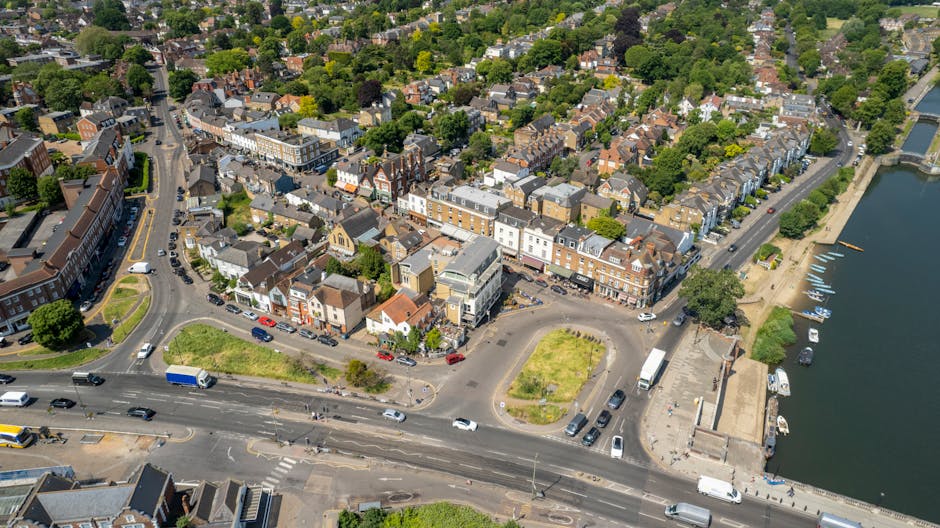
Common mistakes when booking Isleworth removals and how to avoid them
Booking a move in Isleworth sounds simple at first: pick a date, choose a van, and get everything from A to B. In reality, that's exactly where people slip up. The most common mistakes when booking Isleworth removals and how to avoid them usually come down to rushing, underestimating what needs moving, or not checking the fine print. And to be fair, moving day already has enough going on without extra drama.
This guide walks you through the errors people make most often, why they matter, and how to avoid the sort of last-minute stress that turns a straightforward move into a messy one. Whether you are moving from a flat near the river, a family house, or a small office space, the same planning rules apply. A bit of preparation now can save a lot of lifting, waiting, and awkward phone calls later.
Why these booking mistakes matter
A removal booking is not just a time slot in a diary. It sets the tone for the whole move. If you get it wrong, the consequences can be surprisingly broad: extra costs, delays, damaged belongings, missed building access windows, and a lot more pressure on the day. That is especially true in London, where parking, narrow streets, stairs, and time restrictions can make even a short local move feel complicated.
In Isleworth, many moves involve a mixture of residential roads, flats with shared access, and properties where parking is not exactly generous. If your removal team arrives with the wrong size vehicle, or without the details they need, you can end up paying more than necessary or losing precious time. Nobody wants to be standing by the door at 8 a.m. wondering where the crew is or why the sofa cannot fit through the hallway.
There is also the trust side of it. When you book a service without checking what is included, you may misunderstand what the price covers. That can lead to disputes later. A good booking process should make the job easier, not foggier.
Expert summary: the best move bookings are not always the cheapest or the quickest to arrange; they are the ones with the clearest information, realistic timing, and no surprises hiding in the small print.
How the booking process should work
The ideal booking process is straightforward, but it should still be careful. First, you share the key move details: pickup and drop-off locations, property type, number of items, access issues, and your preferred date. Then the provider estimates the right vehicle, team size, and time needed. After that, you should receive a clear quote and an explanation of what is included.
If the move is more complex, such as a top-floor flat or a business relocation, the booking stage should also uncover extra requirements. That might include waiting restrictions, lift access, dismantling furniture, packing help, or temporary storage. The better the questions at the start, the fewer surprises later.
If you want to see how a service provider presents its support options, pages like removal services, home moves, and office removals can help you understand the kind of move-specific support that may be relevant. Not every move needs the same setup. A student move, for instance, is often very different from a full household relocation.
Good booking should also include practical confirmations: arrival window, payment method, insurance expectations, cancellation terms, and what happens if the property access is trickier than expected. Simple, really. But plenty of people skip that step and regret it by tea time.
Key benefits of booking properly
Booking carefully does more than prevent mistakes. It makes the whole move feel lighter and more manageable. You know what is happening, who is doing it, and what it is likely to cost. That sense of control matters more than people think.
- Better cost control: you are less likely to face add-ons caused by underquoting or poor planning.
- Less moving-day stress: there is less rushing, fewer phone calls, and fewer unknowns.
- Safer handling: fragile, heavy, or awkward items are less likely to be moved in a panic.
- Smoother scheduling: you can work around keys, lift bookings, loading bays, or office handover times.
- Clearer expectations: everyone knows what is included and what is not.
There is a more subtle benefit too: good booking often improves how the team prepares. If the mover knows you have stairs, a narrow landing, or a large wardrobe that needs dismantling, they can arrive ready. That sounds obvious, but in practice it is often the difference between a smooth morning and one long, awkward shuffle.
Who this advice is for and when it makes sense
This advice is useful if you are planning almost any kind of move in Isleworth or nearby. That includes first-time renters, families moving house, office managers arranging a relocation, students with small loads, and anyone who has booked a van before but never really thought through the details.
It is especially relevant when your move has one or more of these features:
- limited parking or tricky loading access
- stairs, lifts, or shared entrances
- heavy furniture or fragile items
- a fixed time window for key collection or building access
- short notice or same-day timing
- business equipment that cannot simply be left overnight
If you are deciding between a simpler vehicle-based move and something more comprehensive, services such as man and van, house removals, or flat removals may suit different needs. Truth be told, a lot of stress comes from choosing a service that is either too small for the job or far larger than you actually need.
Step-by-step guidance
1. List everything you need moved
Start with a rough inventory. Not every spoon, obviously, but enough detail to understand the scale of the move. Include big furniture, boxes, awkward items, plants, mirrors, appliances, and anything fragile or valuable. If you are moving into a flat, make a note of items that need carrying upstairs or through narrow access routes.
2. Check access at both properties
Measure the practical stuff: stairs, lift size, doorway width, driveway access, parking, and any loading restrictions. If either property has limited space, mention it early. A move can slow down fast if the vehicle cannot park where it should or if a sofa needs dismantling at the last minute.
3. Decide what level of service you actually need
Some moves are simple transport jobs. Others need packing help, furniture protection, dismantling, or storage between addresses. If you need packing support, pages like packing and boxes and packing and unpacking services are useful reference points for understanding how that kind of support fits into the plan.
4. Ask for a quote that matches your actual move
A quote only helps if it is based on the real situation. Be honest about volume and access. If you understate the size of the move, the price you get may not hold up on the day. That is one of those little things that becomes a big thing very quickly.
5. Confirm timing, payment, and terms
Before you book, confirm the arrival window, estimated duration, payment method, and any cancellation or rescheduling rules. If you want a more detailed look at how a provider structures cost information, the pricing and quotes page is a sensible place to understand the basics before you commit.
6. Prepare the property and label items clearly
Once booked, do your part. Label boxes by room, keep essential items separate, and make sure pathways are clear. If the team has to step over bags, shoes, or random lamp parts, the job takes longer. It's a small thing, but small things add up.
7. Reconfirm the day before
A short confirmation call or message can catch issues before they become problems. Check that the time still works, access is still available, and any special items are ready. It takes two minutes. Sometimes that saves two hours.
Expert tips for better results
After enough moves, patterns become obvious. The smoothest bookings usually share a few traits. They are clear, realistic, and slightly over-prepared in the best possible way.
- Over-communicate access issues. Mention the stairs, the tight turn in the hall, the parking permit, and the gate code. All of it.
- Be honest about heavy items. Pianos, wardrobes, and large appliances deserve special planning. Pages such as piano removals and furniture removals show how item-specific moves may need different handling.
- Keep one box of essentials with you. Kettle, chargers, documents, snacks, keys, and a bit of toilet roll. Not glamorous, but very helpful.
- Ask what protection is used. Blankets, straps, floor protection, and corner guards can reduce avoidable damage.
- Plan for delays you cannot control. Lift queues, traffic on local roads, and handover delays happen. A small buffer can calm the day down a lot.
And here is a practical one that people miss: if you have items to dispose of, remove them before the moving crew arrives. If you are dealing with unwanted furniture, separate arrangements like furniture pick up may be more efficient than trying to fold disposal into a normal house move at the last minute.
Sometimes the difference between a decent move and a brilliant one is just preparation. Not perfection. Just preparation.
Common mistakes to avoid
| Mistake | What can go wrong | How to avoid it |
|---|---|---|
| Booking too late | Limited availability, rushed decisions, higher stress | Book as soon as your dates are likely to be fixed |
| Underestimating volume | Wrong vehicle size, extra trips, longer loading time | Share a full item list and mention anything bulky |
| Ignoring access issues | Delays, parking problems, unexpected labour | Tell the provider about stairs, lifts, permits, and restrictions |
| Not checking terms | Disputes over time, payment, or cancellations | Read the booking conditions before confirming |
| Choosing only by price | Poor fit, hidden extras, weak service quality | Compare value, not just the headline number |
| Failing to separate essentials | Lost time looking for keys, documents, or chargers | Keep one clearly marked essentials bag or box |
A few more common slip-ups deserve a mention. People sometimes forget to ask whether the quote includes waiting time. They also assume every move includes dismantling or reassembly. That is not always the case. If you need a wider move package, compare options like removals, house removalists, or commercial moves depending on the job type.
Another one? Leaving parking until the morning of the move. That is a classic headache. If the van cannot stop nearby, every single box becomes more work. Nobody needs that kind of cardio.
Tools, resources and recommendations
You do not need fancy software to book a removal properly, but a few simple tools help a lot.
- Phone notes or a checklist app: keep a running list of what needs moving and what has been confirmed.
- Phone photos: take pictures of awkward furniture, tight stairwells, or parking limitations so you can explain them clearly.
- Room-by-room labels: these make unloading faster and stop boxes drifting into the wrong place.
- Calendar reminders: set reminders for booking confirmation, key handover, and the final pack-up.
If your move involves temporary holding of items, check whether storage may make the process simpler. That can be especially useful if completion dates shift, office fit-outs run late, or you simply need breathing space between addresses.
For those moving smaller loads, student-sized moves, or flexible single-item jobs, looking at student removals, removal van, or man with van options may help you match the service to the size of the job. Matching the service to the job is half the battle, really.
Law, compliance and best practice
This area is mostly about best practice rather than legal complexity, but there are still sensible standards to keep in mind. A reputable removal provider should be clear about insurance, safe handling, and terms of service. If items are valuable, delicate, or unusually heavy, ask how they are protected during loading and transport.
For business moves, you may also want to think about confidentiality, access control, and handover timing. Office relocation is rarely just boxes and desks; there can be data, equipment, and building rules in the mix. If that sounds familiar, pages such as office relocation services and office removals are useful reference points for the kind of planning businesses usually need.
From a consumer perspective, it is also wise to read the provider's policies on payment, insurance, complaints, and safety. Those documents are there for a reason. You may not need them, but if something does go wrong, you will be glad they exist. The same applies to policies like insurance and safety, health and safety policy, and terms and conditions.
Best practice is simple: agree the job clearly, understand what is included, and make sure the mover can do the work safely and efficiently. That is the standard worth aiming for.
Options, methods, or comparison table
Different moves call for different booking styles. Here is a simple comparison to help you choose what fits.
| Option | Best for | Main advantage | Watch out for |
|---|---|---|---|
| Man and van | Small to medium household moves, flexible jobs | Usually quick to arrange and practical for local transport | May be less suitable for larger homes or heavy loads |
| Full removals service | House moves, larger family relocations | Better for complex planning and bigger inventories | Can be more involved to book, but that is often a good thing |
| Office removals | Workplaces, studios, and commercial spaces | More structured handling of equipment and timing | Needs precise coordination with building access and staff availability |
| Same-day removals | Urgent or short-notice situations | Fast response when plans change suddenly | Availability may be limited and you must be very clear about the load |
If you are trying to choose between methods, start with the size and complexity of the move. That usually tells you more than the price alone. A smaller move may suit same day removals or a simple vehicle booking, while a larger move may need a more structured service like removal truck hire.
Case study example
Imagine a couple moving from a first-floor flat in Isleworth to a house a few streets away. They think they only have "a few boxes and a sofa", so they book late and do not mention the wardrobe, the washing machine, or the awkward staircase at the new place. On the morning of the move, the van is too small, the hallway is tighter than expected, and the loading takes far longer than planned.
Nothing disastrous, but it becomes a long day. The movers have to work around the access issue, the couple scrambles to repackage loose items, and the final bill rises because the job takes more time than expected. If they had shared more accurate details at the start, the provider could have sent the right setup in the first place.
Now picture the same move done properly. They send photos, list the larger items, confirm parking, and keep a clearly labelled essentials bag. The crew arrives ready, the sofa is protected, the wardrobe is dismantled in advance, and the whole thing feels calm enough that someone still has time to make tea before lunchtime. Not glamorous, but very satisfying.
Practical checklist
Use this checklist before you confirm any removal booking in Isleworth.
- Have I listed all large, fragile, or awkward items?
- Have I checked access at both addresses?
- Do I know whether parking or permits will be needed?
- Have I asked what the quote includes?
- Have I confirmed the arrival window and estimated duration?
- Do I understand the payment and cancellation terms?
- Have I asked about insurance and item protection?
- Have I separated the essentials I need on the day?
- Have I planned for any items that need storage or disposal?
- Have I reconfirmed the booking before moving day?
If you can tick most of those off, you are already ahead of the average booking. Honestly, that alone removes a lot of pressure.
Get a free quote today and see how much you can save.
Conclusion
The most common mistakes when booking Isleworth removals and how to avoid them are rarely dramatic on their own. It is usually a handful of small oversights: not enough detail, not enough checking, not enough time. But those small oversights can stack up fast. That is why the best approach is calm, clear, and practical.
Start with a realistic inventory, be honest about access, ask the right questions, and choose the service that actually fits the move. Do that, and the day feels much more manageable. Less guesswork, fewer surprises, and a lot less carrying things twice.
If you are preparing for a move now, take ten minutes to write down the details before booking. It's a tiny bit of effort, but it can change the whole experience. And that, in the end, is what a good move should do.
Frequently asked questions
What is the biggest mistake people make when booking removals in Isleworth?
The biggest mistake is usually underestimating the size or complexity of the move. People often forget about access issues, parking, or bulky items, which can lead to delays and extra costs.
How far in advance should I book an Isleworth removal?
As early as you can once your moving date becomes likely. Busy periods fill quickly, and booking earlier gives you more choice and less pressure, especially if you need a specific time slot.
Should I choose the cheapest removal quote?
Not automatically. A cheap quote can be fine, but only if it covers the actual work you need. Compare what is included, not just the headline price, or you may pay more later.
What details should I give when asking for a quote?
Give your pickup and drop-off addresses, access details, number of rooms or items, heavy pieces, stairs, lift access, parking issues, and any packing or dismantling needs. The more accurate the brief, the better the quote.
Do I need to mention parking problems before booking?
Yes, definitely. Parking can have a major effect on moving time and loading distance. If the vehicle cannot park close to the property, the job may take longer and cost more.
What if I need to move at short notice?
Short-notice moves can still work, but you need to be very clear about volume, access, and timing. If speed matters, services like same day removals may be the right fit, subject to availability.
Do removal bookings usually include packing?
Not always. Some services are transport-only, while others include packing or unpacking support. If you need help with boxes and preparation, check for dedicated packing and unpacking services.
Is a man and van suitable for a full house move?
Sometimes, but not always. It depends on the number of items, access, and how much time is available. A smaller move may suit it well, while a larger household usually benefits from a fuller removals setup.
What should I ask about insurance before I book?
Ask what level of cover applies, how fragile items are handled, and what the process is if something is damaged. It is best to understand that before moving day, not after.
Can I store items if my move dates do not line up?
Yes, storage can help if one property is not ready when the other one is. That is useful when completion dates shift, decorators run over, or you just need breathing room between homes.
How do I avoid extra charges on moving day?
Give accurate information at the start, confirm what is included, prepare access, and make sure any large or difficult items are mentioned before the booking is finalised. Clear communication is the best protection against unpleasant surprises.
What is the best way to prepare for an Isleworth removal?
Make a checklist, label your boxes, keep essentials separate, and confirm the details with your mover the day before. Simple habits like that keep the day tidy and calm, which is what you want.
For a fuller overview of the company behind these services, you can also review about us, insurance and safety, and contact us if you need to speak with the team directly.