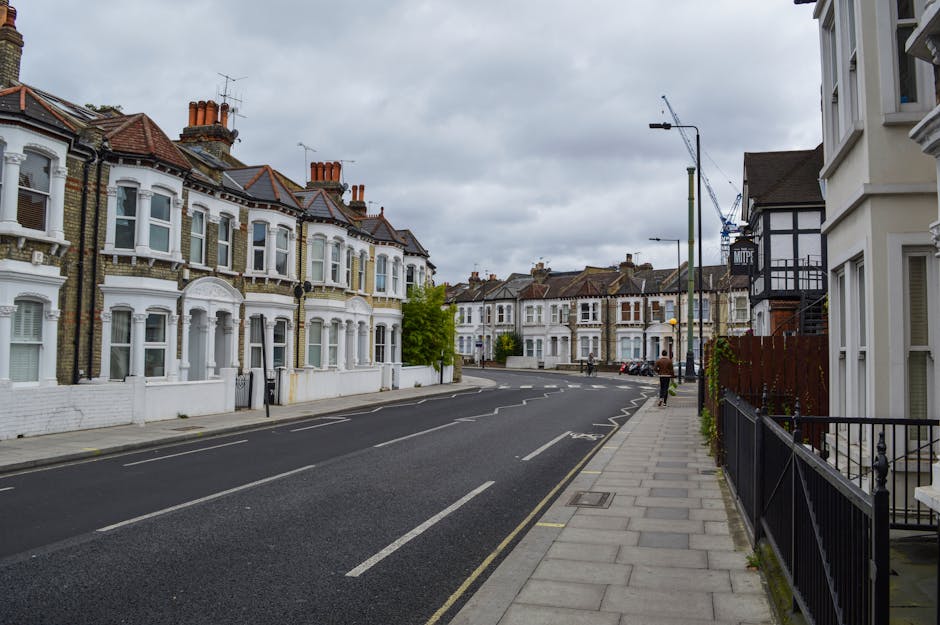
Isleworth House Removals Guide for TW7 Streets: A Practical Local Moving Playbook
Moving house in Isleworth can feel straightforward on paper and surprisingly fiddly in real life. TW7 streets bring their own mix of narrow roads, parking pressure, terraced homes, flats above shops, and the occasional awkward corner that turns a simple job into a careful one. This Isleworth house removals guide for TW7 streets is designed to help you plan a smoother move, reduce avoidable stress, and understand what local removals actually involve before the van arrives.
Whether you are shifting from a compact flat near the station, moving family furniture across town, or organising a same-day move with limited access, the biggest wins usually come from preparation. The right timing, packing, vehicle size, and access plan matter more than people expect. And yes, the details add up fast.
This guide walks you through the local realities of moving in Isleworth, the practical steps that make the difference, and the service choices worth considering. If you want to compare removal support beyond the area, it can also help to look at broader service information such as removal services explained clearly or the specific details on house removals support to understand what a professional move typically includes.
Table of Contents
- Why Isleworth house removals guide for TW7 streets Matters
- How Isleworth house removals guide for TW7 streets Works
- Key Benefits and Practical Advantages
- Who This Is For and When It Makes Sense
- Step-by-Step Guidance
- Expert Tips for Better Results
- Common Mistakes to Avoid
- Tools, Resources and Recommendations
- Law, Compliance, Standards, or Best Practice
- Options, Methods, or Comparison Table
- Case Study or Real-World Example
- Practical Checklist
- Conclusion
- Frequently Asked Questions
Why Isleworth House Removals Guide for TW7 Streets Matters
Isleworth is not one of those places where you can assume a removal van will glide in, park outside, and get the job done without planning. TW7 streets often include residential parking controls, varying pavement widths, school-run traffic, and older properties with tighter internal access. That matters because a removal job is not just about lifting boxes; it is about moving items through a specific environment without delays, damage, or frustration.
A good local move plan helps you avoid the small issues that become the expensive ones. For example, if your sofa will not clear a hallway turn, it is far better to know that before move day. If your building has a narrow staircase, low railings, or a shared entrance, that also needs factoring in early. The same applies to access windows, lift bookings, and whether the van should stay with the property or use short-stay loading space.
Local removals work best when the mover understands the realities of the streets and the property type. That is why people in Isleworth often benefit from a service that blends careful packing, route planning, and sensible vehicle selection. For readers comparing options, the broader pages on removals in Isleworth and man with a van Isleworth are useful starting points for understanding service scope.
Key takeaway: In TW7, a smooth house move is usually won before the van arrives. Access planning, packing discipline, and the right vehicle matter just as much as carrying strength.
How Isleworth House Removals Guide for TW7 Streets Works
At its simplest, a house removal in Isleworth follows a clear sequence: assess the property, plan the access, prepare the items, load efficiently, transport safely, and unload in the right order. The practical difference is in the detail. Streets with limited parking may need a timed arrival. Flats may need a carrying route checked in advance. Larger homes may require an extra pair of hands or a bigger vehicle.
Here is how a local move usually works when it is properly organised:
- Survey the access. Check front door width, stairs, parking, lift availability, and any tight corners.
- Match the vehicle to the job. A small van can be perfect for a one-bedroom flat, but it may be inefficient for a full family move.
- Pack by room and priority. Essentials should be easy to reach on arrival, not buried under winter coats and spare cables.
- Protect delicate items. Furniture, glass, mirrors, and electronics need the right wrapping and handling.
- Load in the correct order. Heavy, stable items go first; fragile and urgent items are planned for access later.
- Unload with placement in mind. If boxes are labelled clearly, the unpacking process becomes much calmer.
For many households, this is where professional support makes a difference. A reputable team can advise on vehicle size, dismantle furniture if needed, and reduce the risk of damage to awkward items. If you are still deciding what level of help you need, a practical page like house removals in Isleworth is a sensible reference point.
There is also a trust element here. Good removals firms communicate clearly, give realistic expectations, and explain what they will and will not handle. That transparency matters more than a flashy promise. Truth be told, the best move day is usually the one that feels almost boring because everything was prepared properly.
Key Benefits and Practical Advantages
A well-planned move in TW7 gives you more than convenience. It can reduce physical strain, protect your belongings, and keep the day on schedule. Those are not small benefits when you are dealing with a full property and a narrow time window.
- Less damage risk: Furniture is less likely to scrape walls or get chipped when carried by people who know how to manoeuvre it.
- Better time control: A structured move is faster because there is less stopping and starting.
- Lower personal stress: You can focus on keys, utilities, and settlement instead of wrestling with a mattress.
- Safer lifting: Heavy items are handled with more care, which is especially relevant on stairs.
- Cleaner unpacking: Clear labelling makes it much easier to find bedding, chargers, kettles, and daily essentials.
- More flexible service choices: You can select full removals, man and van support, or storage depending on the move stage.
One overlooked advantage is decision-making. Once you understand the flow of a removal day, it becomes easier to decide what to keep in your own car, what to entrust to the van, and what should be stored temporarily. If you need a wider comparison of packing support, the article on packing solutions for a smooth transition is a useful companion read.
Another real benefit is that a professional move can be more forgiving when the unexpected happens. A delayed key handover, a parking issue, or a slightly oversized wardrobe is still a problem, but it is easier to solve when the team has already planned for contingencies.
Who This Is For and When It Makes Sense
This guide is especially useful if you are moving within Isleworth, moving in from nearby London areas, or relocating out of TW7 and want to avoid last-minute chaos. It fits a few common scenarios particularly well.
- Families moving between houses: More furniture, more boxes, more coordination.
- Flat movers: Stair access, lifts, shared entrances, and parking are often the real challenge.
- Students or young professionals: A smaller move may still need speed and low-cost efficiency.
- People with specialist items: Pianos, antiques, large mirrors, or heavy appliances need specific handling.
- Anyone on a tight deadline: Same-day or short-notice moves rely on clear planning and fast decision-making.
It also makes sense if you are trying to keep the move as self-managed as possible without taking on every burden yourself. A hybrid approach can work well: you pack, label, and sort; the removals team handles transport, loading, and the awkward lifting. Pages such as flat removals in Isleworth and student removals in Isleworth are particularly relevant if your move is compact but still logistically tricky.
And if you are thinking, "Do I really need help for a relatively small move?" the honest answer is that size is not the only issue. Access is often the real deciding factor. A small house on a difficult street can be more complicated than a bigger home with easy loading space.
Step-by-Step Guidance
Below is a practical order of operations that works well for most TW7 street moves. Keep it simple. Complexity is where people get tired and start forgetting the basics.
1. Confirm the move details early
Lock in the date, address, key handover timing, and any building rules. If you are moving from a managed property, ask whether there are restrictions on lift use, loading bays, or booking time slots.
2. Walk the route from door to van
Look at the actual carrying route, not just the front entrance. Is there a turn by the stairs? A narrow landing? A step at the threshold? These little details affect the size of items that can be moved intact.
3. Declutter before packing
Moving unnecessary items makes everything slower and more expensive. Donate, recycle, or dispose of things you no longer want. For a deeper approach, the guide to clutter-free moving offers a useful mindset shift before packing begins.
4. Pack room by room
Keep each room separated as much as possible. Label boxes with the room name and a short description, such as "kitchen - mugs and kettle" or "bedroom - bedding." That small habit saves huge amounts of time later.
5. Protect valuable and fragile items
Use proper wrapping for glass, framed art, electronics, and furniture corners. If something is awkwardly shaped, do not guess. Measure it and compare it to the doorway or staircase before move day.
6. Prepare an essentials box
This should contain kettle, tea or coffee, chargers, basic toiletries, toilet paper, snacks, scissors, keys, and a change of clothes. If you are moving with children or pets, pack their essentials separately too.
7. Set up unloading order
Decide what needs to go into each room first. For example, beds usually need building before you can comfortably put the rest of the bedroom in order. The practical advice in moving your mattress and bed safely is particularly helpful here.
8. Keep the move day clear
Avoid parking your own car in the way, and make sure the route from property to van is free of bins, bikes, and loose clutter. It sounds obvious, but on moving day obvious things are exactly what get missed.
Expert Tips for Better Results
Small improvements make a big difference on move day. These are the habits experienced movers tend to rely on because they reduce friction.
- Use stronger boxes for heavier items. Books in weak boxes are a classic mistake. They get too heavy too quickly.
- Keep screws and fittings together. Tape them to the correct furniture piece or keep them in labelled bags.
- Photograph cable setups before unplugging. It saves time when reconnecting televisions, consoles, and routers.
- Disassemble only what truly needs it. Not every piece of furniture should be taken apart. Some items become harder to reassemble than they are worth.
- Protect floors and doorframes. A bit of planning here prevents avoidable marks, especially in rented properties.
- Keep appliances prepared properly. If moving a freezer or fridge, follow sensible defrosting and cleaning steps first. The guide on storing a freezer when it is not running is a useful reference.
One more practical point: if you have a sofa that has sentimental or financial value, do not assume a throw and a bit of bubble wrap will do the job. Upholstered furniture can mark, sag, or collect dust more easily than people think. For more on that, see sofa preservation advice.
Professionals also know when to stop pushing a risky lift. That is not caution for the sake of caution. It is the difference between a sensible carry and a damaged wall, bruised knuckles, or a bent furniture leg.
Common Mistakes to Avoid
Most moving problems are preventable. The annoying part is that they are also predictable.
- Underestimating packing time: Packing always takes longer than people expect. Always.
- Ignoring parking and access: A van that cannot load near the property changes the whole schedule.
- Using the wrong box sizes: Large boxes are tempting, but too many heavy items in one box create lifting problems.
- Not labelling boxes clearly: "Miscellaneous" is not a useful label when you need bedding at 10 p.m.
- Leaving dismantling until the last minute: Beds, wardrobes, and desks often need more time than expected.
- Forgetting insurance or risk cover questions: You should understand what level of protection is included and what is not.
- Overloading the van: Efficiency matters, but so does weight distribution and safe loading.
A common Isleworth-specific mistake is assuming the street will "probably be fine" for loading. In practice, streets can look manageable until another car arrives, a delivery van blocks the lane, or a neighbour returns home with the only suitable bay. Build in a little slack. It is the cheapest form of stress insurance.
Tools, Resources and Recommendations
You do not need a warehouse of equipment to move well, but a few practical items make the day easier and safer.
| Item | Why it helps | Best use |
|---|---|---|
| Heavy-duty boxes | Holds weight better and reduces breakage | Books, kitchenware, tools |
| Bubble wrap and packing paper | Protects fragile surfaces and edges | Glass, ornaments, electronics |
| Furniture blankets | Prevents scratches and scuffs | Sofas, tables, wardrobes |
| Ratchet straps | Keeps items secure in transit | Large furniture and stacked loads |
| Marker pens and labels | Speeds up unpacking and room placement | All box categories |
| Gloves and grip aids | Improves control when carrying awkward items | Stairs, damp weather, heavy lifting |
Alongside the physical tools, the most useful resource is a clear move plan. That can be a simple phone note or a printed page with timings, box labels, access notes, and contact numbers. Nothing fancy. Just enough structure to prevent avoidable chaos.
If your move involves specialist items, such as instruments or high-value furniture, use dedicated support rather than trying to improvise. The local relevance of piano removals and furniture removals is a good reminder that not every item should be treated like a standard box.
Law, Compliance, Standards, or Best Practice
House removals in the UK do not usually require the customer to navigate complicated legal paperwork, but there are still sensible compliance and best-practice points to keep in mind. These do not need to be dramatic to matter.
- Parking and loading rules: Check local restrictions and any building rules before booking the van. Temporary loading does not automatically mean unrestricted stopping.
- Property access rules: Managed blocks, leasehold buildings, and shared entrances may have their own moving procedures.
- Health and safety: Heavy lifting, stair carries, and awkward loads should be handled with proper technique and appropriate assistance.
- Insurance awareness: Ask what protection is in place for transit, handling, and accidental damage. Read the terms rather than assuming coverage.
- Waste and recycling: If you are disposing of packing materials, broken furniture, or unwanted items, follow local recycling and disposal guidance responsibly.
Good practice also means keeping the customer journey clear. Reputable providers should be easy to contact, transparent about pricing, and willing to explain service limits. If you want to check those trust signals in advance, pages like insurance and safety, pricing and quotes, and contact details help set expectations properly.
For readers who value responsible service, it is also worth reviewing a company's stance on sustainability and waste handling. The page on recycling and sustainability is a useful benchmark for how a mover thinks about the wider impact of a job.
Options, Methods, or Comparison Table
Not every removal needs the same level of support. The right option depends on distance, item volume, access difficulty, and how much time you have.
| Option | Best for | Strengths | Watch out for |
|---|---|---|---|
| DIY move | Very small moves, minimal furniture | Lowest direct cost, full control | High physical effort, more time, higher risk of damage |
| Man and van | Studio flats, small homes, short-distance moves | Flexible, efficient, usually easy to book | May require more packing and loading effort from you |
| Full house removals | Family homes, larger inventories, complex access | More hands, better coordination, less strain | Needs more planning and a clearer schedule |
| Same-day removals | Urgent moves and short-notice changes | Speed and convenience | Availability can be limited; preparation must be sharp |
| Storage-first move | Staged relocations or delayed access to the new property | Flexibility and breathing space | Requires organisation and a clear inventory system |
If you are unsure which route suits your situation, a hybrid approach is often sensible. For example, you might pack everything yourself, use a van for transport, and rely on professional help for the heavy lifting and assembly. That balance keeps costs and effort under control without forcing you to do the hardest parts alone. For nearby service comparisons, man and van support in Isleworth is often the middle-ground option people consider first.
Case Study or Real-World Example
Consider a typical TW7 move: a two-bedroom flat on a street with tight parking, a shared entrance, and a sofa that looks reasonable until you try to turn it through the hallway. The resident has packed most of the kitchen and bedrooms but still has a bed frame, a dining table, and several fragile boxes.
In this kind of move, the successful approach is not to rush. The mover checks the entrance, confirms whether the van can load close to the property, and decides whether the furniture should be partially dismantled before it is carried out. Boxes are labelled by room. Fragile items are kept separate from the heavy stack. An essentials bag is set aside so the customer can access toiletries, chargers, and documents on arrival.
The difference between a smooth move and a stressful one in this scenario is surprisingly small: a little planning, the right lifting sequence, and clear communication. No drama, no improvisation, and no "we'll just wing it" energy. That last approach is wildly popular right up until the first staircase.
For a move with specialist items, the same logic applies. If there is a piano, for instance, experience matters more than optimism. The specialist guidance on expert piano transport shows why delicate or heavy items deserve more than ordinary handling.
Practical Checklist
Use this as a simple pre-move checklist for TW7 streets.
- Confirm the move date, time, and key handover plan
- Check parking, loading access, and any street restrictions
- Measure doorways, stair turns, and large furniture pieces
- Declutter items you do not want to take with you
- Gather strong boxes, tape, labels, and wrapping materials
- Pack room by room and label clearly
- Set aside an essentials box and important documents
- Prepare beds, appliances, and furniture for movement
- Protect floors, corners, and fragile surfaces
- Confirm insurance, payment, and service details in advance
- Keep mobile contact details accessible on moving day
- Do a final walkthrough of every room before leaving
If you want more detail on staying organised, the move-planning advice in navigating house moves with complete ease is a helpful companion guide.
Conclusion
Moving in Isleworth is manageable when you treat it like a local logistics job rather than a simple lifting task. TW7 streets reward planning: know your access, pack with purpose, choose the right level of support, and protect the items that matter most. That approach saves time, reduces stress, and makes arrival day much easier to handle.
Whether you are moving a flat, a family home, or a more complex property with specialist items, the smartest move is the one you prepare properly. A little structure now can spare you a lot of bother later.
If you are ready to plan your move with confidence, explore the service pages, review the support options, and speak with a team that understands what local removals actually require.
Get a free quote today and see how much you can save.
Frequently Asked Questions
What makes moving in TW7 streets different from moving elsewhere?
TW7 often includes narrower roads, varied parking conditions, and a mix of houses and flats, so access planning matters more than in areas with simpler loading space.
Do I need a man and van or a full house removals service in Isleworth?
It depends on inventory size, access, and time pressure. Small flats and lighter moves often suit man and van support, while larger homes usually benefit from a full removals service.
How far in advance should I book a removal team?
As early as possible, especially if you are moving at month-end, on a weekend, or from a property with access restrictions. Short-notice moves can still happen, but flexibility may be limited.
What should I pack separately for move day?
Keep essentials separate: chargers, toiletries, medication, important documents, kettle, snacks, and a change of clothes. If you have children or pets, pack their day-one items too.
Can movers help with dismantling furniture?
Many removal teams can assist with furniture dismantling and reassembly, but you should confirm this before booking so there are no surprises on the day.
How do I know if my sofa or bed will fit through the stairwell?
Measure the item and the tightest point on the route, including corners and landings. If it looks borderline, ask for a pre-move assessment or consider partial dismantling.
What happens if parking is difficult on my street?
Good planning usually solves this. A mover may suggest a different arrival time, a smaller vehicle, or a loading approach that works within local restrictions.
Is same-day removal realistic for an Isleworth move?
Yes, in some cases. Same-day removals work best when the move is small, access is simple, and packing is already well under control.
Should I use storage during my move?
Storage makes sense if your move-out and move-in dates do not line up, if you are reducing clutter, or if only part of your home is ready for transfer.
What items need special care during a house move?
Pianos, large mirrors, glass tables, antiques, appliances, and upholstered furniture usually need extra protection and more careful handling than standard boxes.
How do I reduce moving-day stress the most?
Declutter early, label clearly, confirm access in advance, and keep a realistic schedule. Most moving stress comes from rushed decisions, not the move itself.
What should I check before choosing a removals company?
Look at service scope, communication quality, insurance awareness, pricing clarity, and whether the company explains how it handles access or fragile items. A clear, calm answer is usually a good sign.